Licensed Arborist Services Parkhill
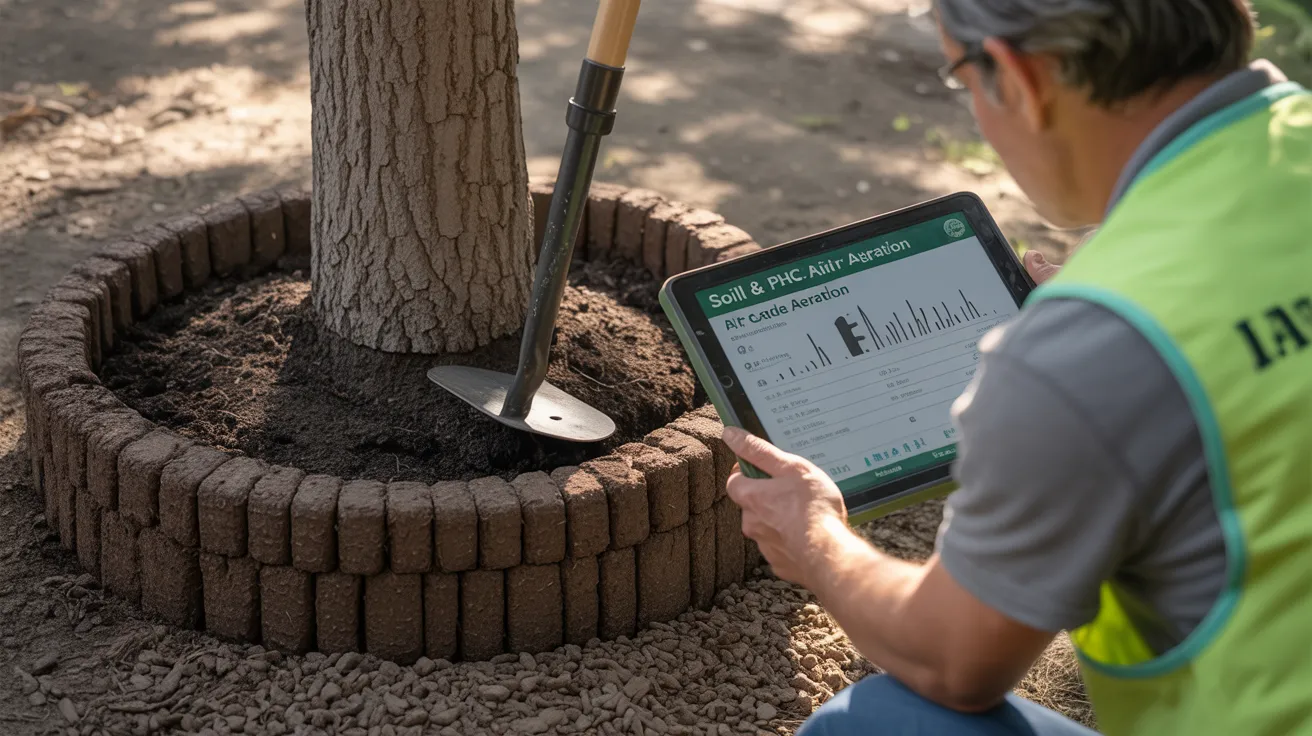
You need Parkhill arborists familiar with Sarnia's lake-effect winds, clay soils, and utility setbacks. We adhere to ISA A300/ANSI Z133, ICS-style traffic control, and use precision testing equipment (resistograph, moisture, thermal) to assess, prune, or safely remove with certified equipment and safety gear. Rely on comprehensive care protocols, exclusion zones, and machinery setup that ensures the safety of structures and pedestrians. Storm-ready 24/7 with digitally tracked professionals, we record photos, risk tiers, and soil/Pest Health Care plans. Keep going to see our methods for protecting your property.
Key Takeaways
- Local Sarnia specialists dealing with lake-effect winds and clay soils, accounting for utility setbacks and drainage constraints for reliable and code-compliant tree services.
- ISA-standard evaluations using resistograph examination, soil analysis, and risk evaluation frameworks to evaluate and determine problems and develop targeted management solutions.
- Professional pruning and canopy management that maintains natural form, restricts live foliage removal to twenty to twenty-five percent, and strengthens weather resistance.
- 24-hour emergency assistance with GPS-equipped specialists, including professional tools, secure tree elimination, professional stump processing, and thorough area restoration.
- We maintain comprehensive insurance and follow CSA/ANSI standards, featuring certified equipment, comprehensive safety procedures, and transparent documentation for both homeowners and insurance providers.
The Importance of Local Arborists for Sarnia Properties
As trees adapt to site-specific conditions and microclimates, local arborists bring the area-specific understanding Sarnia residences demand for proven, secure tree maintenance. You gain practitioners who are familiar with lake‑effect winds, clay‑rich soils, water flow challenges, and infrastructure clearances found in your area. They calibrate maintenance timing, securing techniques, and debris management to minimize risk to structures, pedestrians, and services.
Regional knowledge strengthens compliance. Certified arborists align their recommendations with city ordinances, utility clearance requirements, and wildlife protection timing. Through public participation, they share hazard reporting protocols and manage area-specific preventive actions after storms. Their seasonal insights help you anticipate freeze-related problems, pest infestations, and water deficiency here issues, so you can schedule preventive measures before issues worsen. You receive focused, defensible recommendations that protect tree health and property protection.
Professional Tree Health Inspections and Maintenance
We initiate our approach with a systematic tree health analysis that combines site data, diagnostic tools, and visual inspection. We record tree species, age classification, environmental exposure, and soil characteristics, then conduct root collar evaluations to identify root girdling, deterioration, and elevation variations. Utilizing chlorophyll fluorescence analysis, resistograph measurements, and moisture monitoring, we quantify physiological and structural concerns.
You receive periodic evaluations customized for Sarnia's climate: spring vigor and cambium analysis, summer foliage nutrient assessment, fall root system health checks, and winter bark and disease surveys. We examine soil for pH balance, salt content, density, and disease organisms, and create risk assessment maps based on ISA best management practices. Our maintenance plans outline appropriate ground ventilation, mulching depth, irrigation timing, plant health care treatments, and stem preservation methods to minimize failure risk and maximize tree longevity.
Precision Pruning and Canopy Management
Enhance structural integrity and safety with pruning techniques that focus on biological principles and load distribution, not just visual appeal. You'll decrease potential hazards by making precise cuts at the collar junction, preserving compartmentalization and vascular flow. Start by conducting a detailed tree inspection: identify competing leaders, elongated limbs, and imbalanced crown sections. Apply crown balancing techniques to redistribute mass, reducing rotational pressure during wind events. Apply selective reduction-never lion's-tailing-to preserve interior growth, enhance air circulation, and decrease wind load without causing reactive growth.
Establish quantifiable boundaries: remove no more than 20-25% of live foliage per maintenance cycle, preserve at least 1/3 branch diameter at connection points, and establish clearance specifications around infrastructure and utilities. Focus on deadwood, interfering limbs, and unhealthy tissue. Document growth patterns and conduct inspections on a 36-60 month cycle to sustain proper structure, sunlight exposure, and storm hardiness.
Professional and Reliable Tree Elimination Operations
If pruning isn't sufficient to address structural defects, disease, or clearance concerns, tree removal becomes necessary. We implement a comprehensive strategy, including property inspection, technical rigging preparation, and controlled cutting techniques to safeguard your assets. Certified specialists safely deconstruct trees in controlled segments, utilizing professional-grade equipment, mechanical brake systems, and control lines to direct removal operations. Our team verifies utility locations, establish safety zones, and adhere to ANSI Z133 and ISA BMPs to reduce potential hazards.
Extracting stumps and roots concludes the process, stopping interference and unwanted sprouting with foundations or utilities. We operate stump grinders configured to reach tight sites, and we fill with compactable material to ensure proper elevation. Debris is recycled when feasible, and we leave the site broom-clean and ready for replanting.
Emergency Storm Response and Risk Management
When extreme weather strikes Sarnia, you need rapid storm response that deploys professional personnel, weather-protected gear, and road safety measures within hours to stabilize affected areas. You should expect hazard assessment protocols that comply with ISA and ANSI A300 standards: comprehensive tree evaluations, load path analysis, and utility conflict checks. With these methodical procedures, you'll reduce residual risk, prioritize critical removals, and restore access safely.
Rapid Storm Mobilization
Following extreme weather conditions, Parkhill Tree Service rapidly deploys to make sites safe, clear dangerous debris, and reestablish entry points across Sarnia. You get swift support managed via a 24/7 dispatch, GPS-tracked fleet, and pre-positioned equipment. Crews respond with necessary gear including insulated saws, rigging gear, traffic control kits, and chipper/loader units to clear vital routes and secure utilities.
You gain advantages from collaborative efforts with emergency responders, utilities, and public works to handle compromised trees, blocked roads, and downed power lines impacting buildings. Personnel follow Incident Command System protocols, set up secure work areas, and follow ANSI Z133 and provincial regulations. They perform controlled removals, crane operations for heavy fallen trees, and waste segregation for efficient disposal. Documentation includes chronological photo records, material handling records, and work logs to facilitate municipal documentation and insurance processing.
Hazard Assessment Protocols
Although crews mobilize quickly, they never begin work until a comprehensive hazard assessment verifies the area is secure and priorities are clear. You'll witness a systematic process: create exclusion zones, check utility status, and manage traffic patterns. Crews complete risk mapping to detect strained limbs, damaged stems, root-plate failures, and secondary strike hazards.
They utilize calibrated advanced detection instruments to identify potential hazards and structural weaknesses. Stress patterns are evaluated to forecast failure directions. Branch classification tags and organizes sections by risk level, matching elimination procedures to danger ratings: specialized rigging, machine-assisted removal, or precise felling. You'll receive comprehensive reports, including documentation, safety ratings, and protective measures. This methodology reduces injury risk, stops cascade failures, and returns access with documented safety parameters.
Stump Grinding and Site Restoration
Restoring your landscape begins with exact stump grinding that removes trip hazards, stops regrowth, and conditions the site for new use. We set grinder depth to 6-12 inches below grade, corresponding to root system requirements and site loads. You receive clean chip containment, secured work spaces, and confirmed utility mapping prior to removal.
After grinding is complete, we execute precise root removal to stop lateral sucker formation and resolve surface heave risks. We segregate chips from mineral soil to prevent nitrogen drawdown, then fill with a graded aggregate-soil blend that promotes compaction and soil stabilization. Final grading achieves positive drainage and uniform subgrade tolerances. If you intend to install hardscapes or replanting, we provide detailed soil analysis and structural capacity guidance so the rehabilitated footprint performs safely and predictably over time.
Management Solutions for Disease, Pest, and Soil Issues
As tree health requires prompt identification and controlled treatments, we incorporate testing, trigger levels, and treatment procedures into a comprehensive management plan. We initiate with detailed examinations, using pathogen testing, insect trapping, and crown assessment to verify infections and pest pressure. You get clear intervention thresholds that indicate when intervention is needed, preventing unnecessary applications.
We begin by addressing soil limitations. We assess key soil parameters including pH, EC, CEC, and organic content, then apply specific amendments and proven soil inoculants to enhance root symbiosis and nutrient absorption. For controlling pests and diseases, we employ targeted trimming, sterilization, and approved chemistries under integrated pest management protocols. We schedule applications based on life cycles, preserve beneficial organisms, and record results. You receive detailed monitoring reports, follow-up assessment timelines, and updates based on measurable plant reactions and site conditions.
Insurance Coverage, Equipment, and Safety Standards
Confirm the crew utilizes commercial-quality arborist equipment including climbing ropes, friction devices, calibrated chainsaws, and verified rigging gear. Obtain safety documentation meeting ANSI Z133 and CSA/OHS guidelines, including PPE, aerial rescue preparation and comprehensive job hazard analyses. Confirm comprehensive liability and WSIB/worker's compensation insurance, and secure certificates listing you as an additional insured before work starts.
Professional-Grade Arborist Equipment
Count on Parkhill Tree Service to utilize industry-leading arborist equipment configured for precision and safety. You benefit from high reach aerial lifts with safety-rated booms, gentle outriggers, and load monitoring to eliminate overcapacity events. Staff utilize GPS guided fleet tracking to position equipment efficiently and minimize idle time on-site. Chain saws feature inertia-activated chain brakes and low-kickback bars, while lifting equipment carries traceable ratings that correspond to calculated forces. Machinery is maintained to OEM specs; chipper performance is verified through blade spacing verification, anvil alignment, and feed-roller torque tests. Stump grinders feature guarding and emergency stops validated per CSA standards. Parkhill maintains active liability and WSIB coverage, and logs pre-job inspections, maintenance intervals, and calibration reports to ensure safety standards and secure your property.
Comprehensive Safety Measures
Regularly, Parkhill Tree Service maintains a comprehensive safety program that incorporates engineered controls, approved machinery, and verified insurance coverage. You gain through a mature safety culture that standardizes job hazard analyses, pre-task crew briefings, and duty designations. Crews employ protective equipment aligned with specific work dangers, enforce lockout tagout for powered equipment, and position worksite signage to regulate traffic flow and public safety. Supervisors maintain accident documentation and safety event logging to drive improvement measures and measurable trend reduction. You'll notice properly adjusted equipment, safety-approved lifting gear, and chain-of-custody inspections recorded before mobilization. Field teams comply with provincial and ANSI/ISA standards, with continuous training on fall protection, high-angle rescue, and electrical hazard awareness. Documentation is audit-ready, time-stamped, and confirmed at each phase.
Complete Liability Coverage
Although no two jobs share identical risks, Parkhill Tree Service supports each job with all-encompassing liability insurance that aligns perfectly with the company's engineered protocols and certified equipment. You get protection that addresses actual field hazards-including rigging loads, aerial lift operations, chipper exposure, and traffic control interfaces. We establish precise policy limits for property damage, bodily injury, and completed operations, aligned with hazard analyses completed before work commencement.
Our coverage enhances CSA-compliant PPE, yearly equipment evaluations, and operator certifications, addressing areas that self-insurance cannot address. We provide certificates of insurance as required, specifying endorsements, additional insured status, and waiver of subrogation as needed. In the event of an occurrence, our simplified claims process documents chain of custody, timestamps, and accident causes, accelerating resolution while protecting your project timeline and cost certainty.
Transparent Quotes, Scheduling, and Maintenance Plans
Since transparent details eliminate uncertainty, Parkhill Tree Service provides transparent, line-item quotes that outline work scope, techniques, machinery, waste removal, traffic provisions, and required permits prior to starting work. You receive clear cost breakdowns linked with specific parameters-DBH, canopy spread, access constraints, and utility proximity-so you can evaluate alternatives and see what affects pricing. We document ANSI A300 practices, PPE, and exclusion zones in your work order.
You'll receive a specific appointment time, pre-job notifications, and alternative solutions for weather-related issues or utility interruptions. Technicians show up with precision-tested tools and Job Safety Analyses completed. Once finished, we deliver a detailed report with photos and recommendations. To sustain tree health and lower the risk of issues, we provide continuing maintenance services with regular evaluations, periodic pruning, insect surveillance, soil management, and financial projections.
Common Questions and Answers
What Are Your Eco-Friendly Tree Disposal and Wood Recycling Options?
Yes, we offer green disposal and timber recycling services. We separate logs, branches, and chips for reuse: milling lumber, producing mulch, or supplying biomass facilities. Where appropriate, we leave select logs or brush piles for natural habitat development, following municipal guidelines and invasive-species protocols. We decontaminate equipment to stop disease transmission and supply detailed tracking documentation. We'll provide clear disposal plans, load weights, and site safety measures aligned with industry standards and best practices.
Am I Allowed to Keep the Wood Chips or Logs for Personal Usage?
Definitely, you can keep wood chips and logs. The impact is significant in terms of sustainability. Utilize chips as yard mulch; they control soil temperature, prevent weeds, and preserve moisture. Compost the chips for 3-6 months to eliminate nitrogen drawdown. For logs, implement safe firewood storage: split to accelerate drying, elevate the stack, top-cover only, ensure 15-20% moisture (use a meter), and maintain stacks 6-10 feet from structures to lower pest and fire risk.
What Seasonal Discounts and Referral Programs Do You Provide?
Yes. You'll usually find seasonal promotions during off-peak seasons (between seasons) for tree services and stump removal. Ask for written conditions, eligible services, and restricted periods to guarantee safety-critical tasks are done properly. Many companies also offer referral bonuses-often a fixed credit or percentage discount-after the new customer finalizes and settles their service. Confirm limits per household, compatibility with other promotions, and expiration dates. Ensure all discounts appear on your final bill.
Do You Handle Municipal Permits and Bylaw Compliance Documentation?
We offer full permitting and regulatory guidance from initial contact until completion. Our team manages determining relevant local regulations, handling paperwork, arranging arborist reports, and filing permit requests. We organize required site visits, utility locates, and traffic safety protocols when needed. We provide detailed risk assessments, site maps, and tree work justifications that aligns with ISA and ANSI A300 standards. We monitor permit status, keep compliance documentation, and coordinate services upon permit approval to ensure regulatory compliance and safety.
What Warranty or Satisfaction Guarantee Do You Offer on Services?
We provide a detailed service guarantee and a precise workmanship warranty across all services. We clearly detail coverage terms in writing, including coverage period, exceptions, and resolution procedures. When problems occur from our workmanship within the warranty period, we return promptly, inspect issues, and fix to requirements at no cost. We provide post-service documentation, photos, and compliance notes to verify outcomes. Report issues within stated timelines so we can assess, mitigate risk, and process warranty claims promptly.
In Conclusion
You could gamble with unprofessional equipment and speculation, or you could trust Parkhill's certified arborists and allow industry protocols tackle the challenging tasks. You'll receive comprehensive risk assessments, ISA-standard pruning, calibrated stump grinding, and fully insured removals that protect your assets. When severe weather strikes, you're guaranteed prompt service, comprehensive strategies, and verified soil remediation. To be direct, you're securing more than basic tree care - you're guaranteeing safety, compliance, and reliable outcomes.